WILDLIFE RISKS AT THE VENTURA RANCH SITE AND WHY THEY MATTER
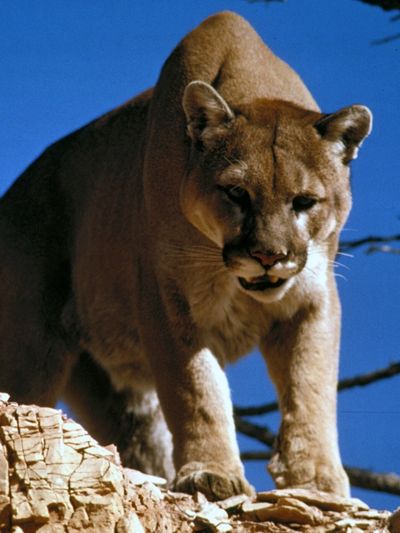
AMCAL and Ventura Ranch Partners disregarding the wildlife dangers in store for Ventura Ranch
The Ventura Ranch site sits at the edge of a wildland–urban interface north of the City of Ventura, an area long recognized for significant wildlife activity. This region connects directly to open space, hillsides, and wildlife corridors leading into the Los Padres National Forest. Ventura County and California wildlife agencies consistently identify this area as active habitat for large predators and venomous species. [ranchoventura.com], [animalserv...county.gov]
Large predators are not hypothetical here
Mountain lions are established residents throughout the hills and open space north of Ventura and are regularly documented by conservation groups and state agencies. These animals use wildlife corridors that pass through rural residential and agricultural areas, especially where development borders undeveloped land. Mountain lions are protected under California law and cannot be relocated simply because people move into their habitat. [ranchoventura.com], [wildlife.ca.gov]
Coyotes and bobcats are also common in this area and are frequent visitors to rural neighborhoods. Ventura County Animal Services repeatedly advises residents in these zones to keep children and pets supervised due to predator activity. [animalserv...county.gov]
Wild boar, which are present in Ventura County, pose a different but equally serious risk. They are aggressive, unpredictable, and capable of causing injury, especially to children. Their rooting behavior also creates hazards around walkways and open spaces.
Venomous and dangerous wildlife adds daily risk
Rattlesnakes are common throughout Ventura County’s open space and agricultural lands, particularly in warmer months. County guidance treats rattlesnake encounters as a routine hazard in rural and hillside areas, not a rare event. These risks increase in developments with shared outdoor spaces, playgrounds, and footpaths. [animalserv...county.gov]
Skunks, raccoons, and bats—common in this region—are known carriers of rabies, prompting County advisories that any human or pet contact must be reported immediately. [animalserv...county.gov]
Wildlife risk increases with dense family housing
These wildlife risks are magnified when large, dense residential complexes are placed directly adjacent to wildland habitat. Unlike scattered rural homes, a multi‑hundred‑unit complex introduces children, strollers, outdoor play areas, and constant foot traffic into active wildlife territory.
Farmworker housing at Ventura Ranch is proposed as permanent family housing, not temporary or seasonal lodging. That distinction matters. Children walking to play areas, residents waiting for rides, and families using outdoor common spaces face daily exposure to wildlife hazards that are manageable for experienced rural residents but dangerous for families unfamiliar with wildland conditions.
Conflict with the purpose of agricultural worker safety regulations
Ventura County’s agricultural worker housing regulations were adopted to improve safety, health, and living conditions for farmworkers and their families. While the ordinance does not list specific wildlife species, its purpose is clear: to reduce risk, not introduce new and foreseeable dangers.
Placing dense family housing in an active wildlife corridor conflicts with that purpose. Mountain lions, wild boar, and rattlesnakes cannot be fenced out reliably, relocated, or eliminated. County agencies are explicit that humans must adapt to wildlife presence, not the other way around. [animalserv...county.gov]
This creates a practical conflict. Agricultural worker housing is meant to provide stability and safety. Locating it in an area where residents must be warned to supervise children constantly due to predator activity undermines that goal.
Common sense matters
This is not an argument that wildlife should be removed, nor that rural areas should be frozen in time. It is a question of suitability. Dense, permanent family housing for vulnerable populations does not belong in a location where the County itself acknowledges regular encounters with apex predators and venomous wildlife.
Wildlife hazards at the Ventura Ranch site are real, documented, and ongoing. Ignoring them does not make families safer. Housing intended to protect farmworkers should not place them in daily proximity to risks that even long‑time rural residents are warned about.
Sources
Ventura County Animal Services – Wildlife advisories
Rancho Ventura Conservation Trust – Mountain lion habitat and corridors
California Department of Fish and Wildlife – Mountain lion presence and behavior