🐾 THIS IS ACTIVE WILDLIFE HABITAT AND ALWAYS HAS BEEN
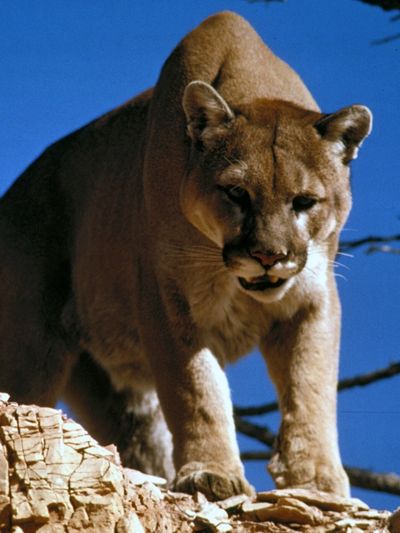
This is not occasional wildlife — This is a lifelong SOAR protected area Naturally active NOT ECU
FARMING....NOT HOUSING
🐾 WILDLIFE RISK IS REAL — AND IT’S BEING IGNORED
The Ventura Ranch site sits at the edge of a wildland–urban interface north of the City of Ventura.
This area directly connects to:
- open space
- hillsides
- wildlife corridors leading into the Los Padres National Forest
It is widely recognized as active wildlife habitat — not a remote possibility, but an everyday reality.
🐅 LARGE PREDATORS ARE PART OF THIS LANDSCAPE
This is not hypothetical.
- Mountain lions are established in this region and move through these corridors regularly
- Coyotes and bobcats are common throughout rural and agricultural areas nearby
These animals:
- cannot be relocated on demand
- cannot be fenced out from large, open environments
- adapt to human presence — not the other way around
Residents in similar areas are routinely advised to supervise children and pets at all times
👉 That is the environment this project is being placed into
⚠️ ADDITIONAL WILDLIFE RISKS
Other known risks in this type of environment include:
- Wild boar — unpredictable and capable of causing injury
- Rattlesnakes — common in open space and agricultural lands, especially in warmer months
- Rabies‑carrying species such as skunks, raccoons, and bats
These are not rare encounters.
They are recognized, ongoing hazards in this region.
🚸 RISK INCREASES WITH DENSE FAMILY HOUSING
There is a major difference between:
- scattered rural homes
vs. - hundreds of families living in one concentrated area
This project introduces:
- children playing outdoors
- shared open spaces and walking paths
- frequent foot traffic across the site
👉 into an area that already supports active wildlife movement
🚨 DAILY LIFE EXPOSES FAMILIES TO RISK
This is not about occasional encounters.
Because of the location, exposure becomes part of daily life:
- children walking to play areas
- families using outdoor common spaces
- residents waiting outside for transportation
These are normal activities — but in this setting, they come with added, unavoidable risk
⚖️ CONFLICT WITH THE PURPOSE OF FARMWORKER HOUSING
Farmworker housing is intended to:
- improve safety
- reduce hardship
- provide stable, secure living conditions
Placing dense, permanent family housing in an active wildlife corridor works against that purpose.
🧠 COMMON SENSE MATTERS
This is not about removing wildlife.
This is not about stopping development everywhere.
It’s about placing the right use in the right location.
👉 Dense family housing for vulnerable populations does not belong in an area where:
- large predators are present
- venomous wildlife is common
- constant vigilance is required just to stay safe
🔴 THE REALITY
Wildlife hazards at Ventura Ranch are:
- real
- documented
- ongoing
Ignoring them does not make families safer.
✅ FINAL POINT
Housing intended to protect farmworkers should not place them—and their children—into daily proximity with avoidable risk.
Location matters.
And in this case, it matters for safety